
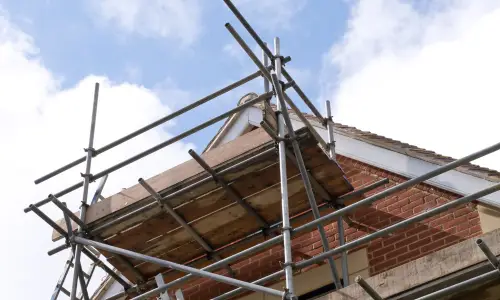
What contractors, site managers and businesses should check before scaffold hire
Commercial scaffolding needs more planning than a simple access job. Whether you are managing a refurbishment, new build, roofing project, maintenance contract or repair work, the scaffold must support the work safely, suit the site and allow other trades to operate efficiently.
For businesses, contractors and site managers in Southampton, the right scaffolding partner can help reduce delays, improve site access and keep work moving safely. Before hiring commercial scaffolding, there are several key points to check.
1. What Work Does The Scaffold Need To Support?
Start by defining the exact work being carried out. A scaffold for roof repairs will have different requirements from a scaffold for cladding, brickwork, window replacement, rendering, signage, inspections or a full commercial refurbishment.
Before quoting, a scaffolding company should understand:
- The type of building or structure
- Working height required
- The number of elevations involved
- Which trades are using the scaffold
- Whether materials need to be stored on platforms
- If the site is occupied or live
- And how long the scaffold is likely to be needed
This ensures the scaffold is designed around the job, not guessed from a basic description.
2. Is The Site Live, Public-Facing Or High Traffic?
Commercial scaffolding often needs to be planned around people who are not directly involved in the work. This can include customers, staff, tenants, pedestrians, vehicles, visitors and other trades.
Sites such as shops, offices, schools, roadside buildings and public-facing premises may need extra planning to manage access safely. This can include clear walkways, visible warning signs, protective measures, controlled working areas and careful coordination around entrances.
If the building needs to remain open during the works, this should be discussed at the survey stage so the scaffold can be planned around the business and the public.
3. Will The Scaffold Be On A Pavement, Road Or Verge?
If any part of the scaffold needs to stand on or over a public pavement, road or verge, a highway licence may be required before it can be erected. This is especially relevant for city-centre buildings, retail sites, offices, schools and roadside commercial properties.
This should be checked early because permissions can affect timing, scaffold positioning and project planning. A good scaffolding contractor will help identify whether the proposed scaffold location may need further checks before work begins.
4. Are Health And Safety Responsibilities Clear?
Commercial scaffolding must be planned, erected and used safely. Before work begins, it should be clear who is responsible for site access, scaffold handover, use, inspection arrangements and communication between trades.
A commercial scaffold should provide suitable working platforms, safe access, edge protection and protection against falling materials where required. If the scaffold is altered, affected by weather, impacted or changed during the project, it should be checked before continued use.
Clear safety responsibilities reduce confusion and help protect workers, site visitors and the public.
5. Does The Scaffold Need Inspection Support?
Scaffolds used for construction work should be inspected by a competent person before first use, at regular intervals while in use and after anything that could affect stability, such as severe weather, impact or substantial alteration.
For commercial projects, inspection arrangements should be confirmed before the scaffold is handed over. This helps site managers stay organised and ensures the scaffold remains suitable for the work taking place.
Inspection records should be managed in line with the project’s health and safety responsibilities.
6. Will Temporary Roofing Be Needed?
Temporary roofing can be useful for commercial projects where weather protection is important. It can help protect the building, workers, materials and the work area during roofing, refurbishment, repair or storm damage projects.
Temporary roofs are often considered for:
- Roof repairs or replacement
- Commercial refurbishments
- Buildings exposed during construction
- Storm damage works
- Projects where work must continue despite poor weather
- Sites where water ingress would create further damage
If temporary roofing may be needed, it should be discussed during the site survey so the scaffold can be planned correctly from the start.
7. Does The Scaffold Need To Support Multiple Trades?
Commercial projects often involve several trades working around the same structure. Roofers, bricklayers, renderers, window installers, decorators, electricians and maintenance teams may all need access at different stages.
The scaffold should be planned with this in mind. Access routes, platform levels, loading areas and working zones should support the project schedule wherever possible.
Planning for multiple trades at the beginning can help reduce delays, avoid unnecessary alterations and improve overall site efficiency.
8. Is The Scaffolding Company Experienced With Commercial Sites?
Commercial scaffolding requires experience, communication and a practical understanding of site pressures. The right company should be able to work around deadlines, other trades, safety requirements, access restrictions and live-site challenges.
C&W Scaffolding has been established since 1980 and has more than 45 years of experience supporting commercial and domestic clients across Southampton and Hampshire. The team is fully insured and provides trained, qualified scaffolders for scaffold erection, hire and dismantling.
For larger or more complex projects, experience matters. It helps ensure the scaffold is not only built safely, but also supports the wider project properly.
9. Is The Quote Clear?
A commercial scaffolding quote should be based on the real project requirements, not a vague estimate. Before agreeing to proceed, make sure the quote explains what is included and what the scaffold is designed to support.
Useful points to clarify include:
- Scaffold size and scope
- Hire duration
- Erection and dismantling
- Temporary roofing, if required
- Access restrictions
- Public-facing safety considerations
- Any likely permit or licence considerations
- Site-specific requirements
A clear quote helps avoid confusion once the project is underway.
10. Who Should You Contact For Commercial Scaffolding In Southampton?
If you are planning a commercial project in Southampton, C&W Scaffolding can assess your site and recommend the safest, most practical scaffolding solution.
Our commercial scaffolding services support builders, contractors, businesses, property managers, maintenance teams and site managers across Southampton and Hampshire.
For more details, visit our commercial scaffolding Southampton page or contact us to arrange a free site survey and no-obligation quote.
Need Commercial Scaffolding In Southampton?
C&W Scaffolding provides commercial scaffold hire, erection, dismantling and access solutions for businesses, contractors and site managers across Southampton and Hampshire.
Contact our team today to arrange a free site survey and no-obligation quote.